 Breakfast
Low Carb Breakfast Bar: A Make-Ahead Recipe and Portion Guide
Build a practical low-carb breakfast bar with nuts, seeds, a reliable binder, equal portions, safe storage, and flexible protein pairings.
Read Article
Nature · Science · Wellness
Peptides are the body's microscopic messengers — helping you achieve whole-body wellness from the inside out. Discover the science of peptides and start your health journey today.
Why Choose Peptides
Peptides are short-chain molecules made of amino acids — naturally occurring bioactive compounds found throughout the body. Unlike ordinary nutrients, peptides act directly on cells, delivering precise biological signals.
Daily Benefits
From energy to sleep, from skin to athletic performance — peptide science safeguards your health on every front

Peptides optimize mitochondrial function and boost cellular energy production — say goodbye to fatigue and embrace vitality from morning to night.

Collagen peptides actively participate in skin cell regeneration, improving elasticity and reducing fine lines for a naturally younger-looking glow.

Exercise peptides enhance muscle protein synthesis and accelerate post-workout recovery — keeping you strong, active, and at your physical best.

Repair peptides promote tissue regeneration and anti-inflammatory responses, shortening recovery cycles so your body bounces back faster than ever.
Fits Your Lifestyle
Whether it's your morning routine, a workout, or evening wind-down — peptides are your perfect wellness partner

Take active peptides with breakfast to kickstart your metabolism and power up for a productive, energized day.

Supplement with peptides before and after exercise to maximize training results, reduce soreness, and speed up recovery.

Nighttime is your body's prime repair window. Take restorative peptides before bed to support deep cellular regeneration while you sleep.
Made Simple
Turning complex biochemistry into everyday health knowledge anyone can understand
Think of peptides as your body's micro-messengers — short-chain molecules made of 2 to 50 amino acids, smaller than proteins and far easier for the body to absorb and use directly.
Peptides act like precision keys that bind to specific cell receptors, activating targeted biological signaling pathways that direct cells to repair, regenerate, and regulate immunity.
Different peptides serve different roles: collagen peptides for skin & anti-aging, immune peptides for defense, metabolic peptides for energy. They work in harmony to keep life running smoothly.
Real Stories
Hear what our community members are saying about their peptide experience

52 · Retired Teacher
"After three months of collagen peptides, my skin is noticeably firmer — my daughter said I look years younger! My sleep quality has also improved dramatically. I feel like a completely different person."

45 · Fitness Enthusiast
"Muscle soreness after workouts has dropped significantly and my recovery is so much faster. I used to need two rest days after a heavy session — now I'm back at it the next morning. My performance has jumped to another level."

60 · Wellness Advocate
"I used to be skeptical of supplements, but the science content here is incredibly well-researched and easy to understand. It genuinely helped me grasp how peptides work. I'm now a loyal reader of this platform!"

38 · Marketing Professional
"Work stress had tanked my immune system — I was sick constantly. After learning about and adding immune peptides to my routine, I've barely had a cold in six months. My energy is back and I feel like myself again."
Featured Articles
Curated peptide health articles to help you understand the world of peptides
Breakfast
Build a practical low-carb breakfast bar with nuts, seeds, a reliable binder, equal portions, safe storage, and flexible protein pairings.
Read Article Fiber-rich meals
Make low-carb almond meal cookies with measured ingredients, even portions, balanced texture, safe storage, and practical serving ideas.
Read Article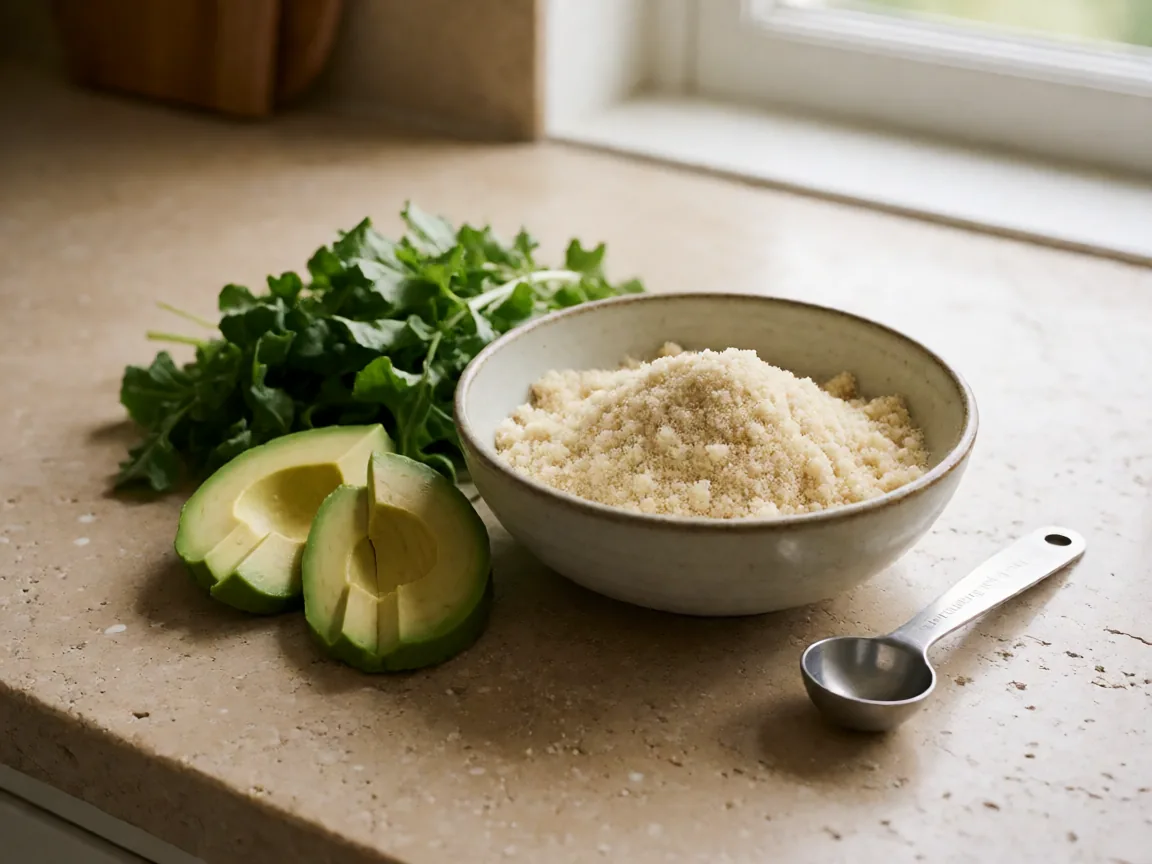 High-fiber foods
Learn how almond flour can fit a keto-style diet, how to read its label, choose portions, bake with it, and pair it with satisfying foods.
Read Article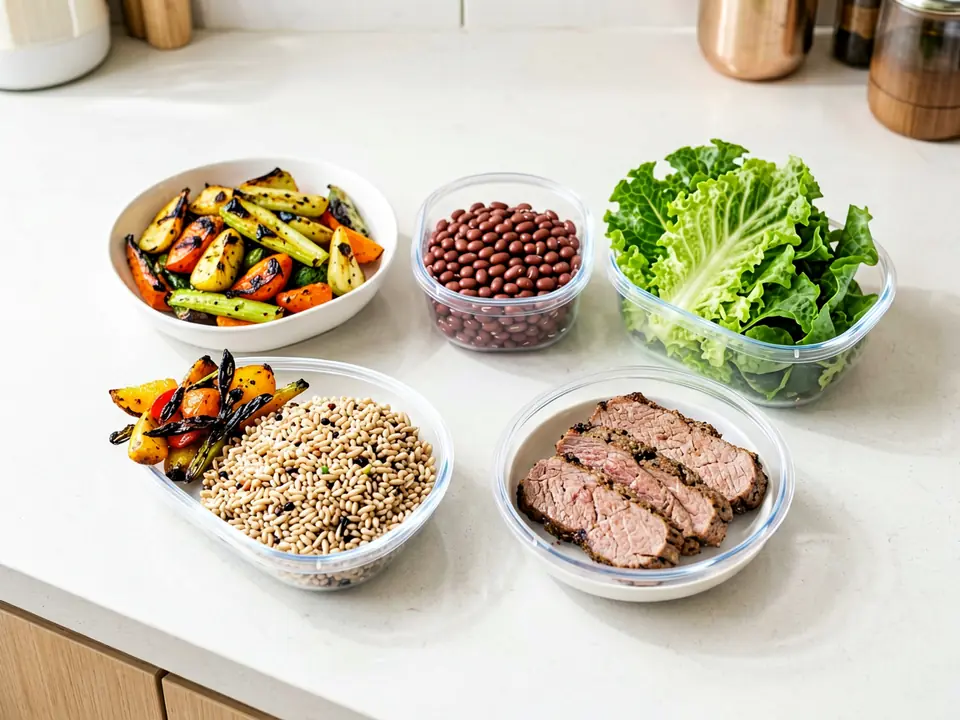 Fiber planning
Plan healthy balanced meals for weight loss with protein, fiber-rich produce, practical portions, flexible substitutions, and repeatable pre...
Read Article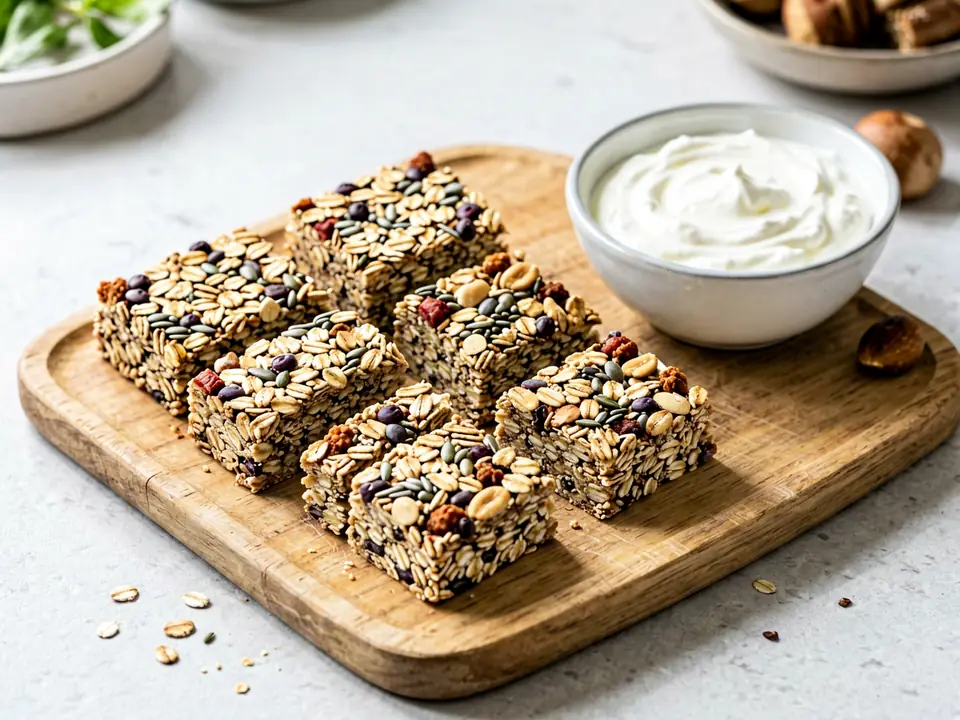 Snacks
Make a high protein bar recipe low calorie enough for a planned snack by balancing protein, fiber, moisture, portion size, and storage.
Read ArticleFAQ
We've compiled the most common questions to help you better understand peptide health science.
Ask the CommunityPeptides are short-chain molecules made of 2 to 50 amino acids, while proteins typically contain 50 or more. Because peptides have a much smaller molecular weight, they can be absorbed directly through the intestinal wall without prior digestion — giving them significantly higher bioavailability than whole proteins.
As we age, the body's natural peptide synthesis declines — and modern diets often leave nutritional gaps. Thoughtful supplementation of specific bioactive peptides can be genuinely beneficial. Older adults, high-performance athletes, people with dry or aging skin, and those with weakened immunity may especially want to explore targeted peptide support.
Naturally derived bioactive peptides are generally considered very safe, since they're molecules the body already produces and recognizes. Food-derived peptides — from sources like soy, fish, and whey — have been extensively studied and confirmed safe. However, pregnant women and those with known allergies should consult a healthcare professional before starting any new supplement.
Results vary by individual and peptide type. As a general guide: energy-boosting peptides are often felt within 1–2 weeks; collagen peptides for skin typically require 4–8 weeks of consistent use to show visible improvements; immune-modulating peptides are best evaluated after at least 3 months of continuous use. Combining supplementation with a healthy lifestyle accelerates results.
Many everyday foods are naturally rich in bioactive peptides: soybeans and soy products (soy peptides), deep-sea fish (marine collagen peptides), whey (milk-derived peptides), eggs (ovalbumin peptides), and oats (oat peptides). Fermented foods like natto, yogurt, and miso are especially peptide-dense, as the fermentation process generates an abundance of free bioactive peptides.